

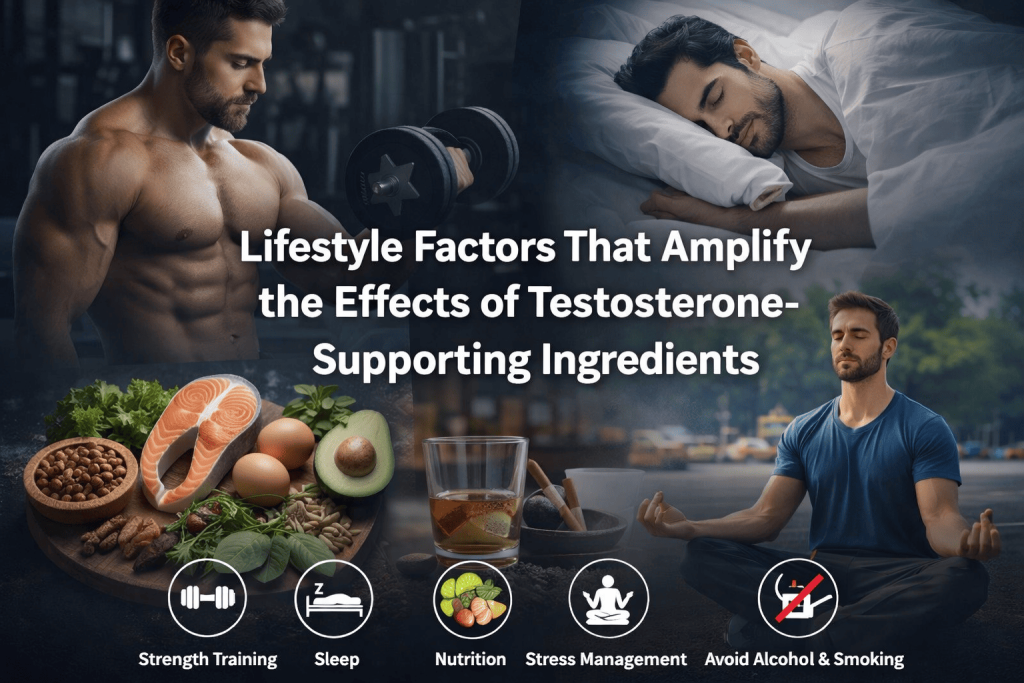
Lifestyle Factors That Amplify the Effects of Testosterone-Supporting Ingredients
Testosterone plays a vital role in men’s overall health, influencing muscle growth, energy levels, mood, libido, and metabolic function. While testosterone-supporting ingredients such as herbal extracts, amino acids, vitamins, and minerals can help optimize hormone levels, lifestyle choices significantly impact how effective these ingredients are.We explore the key lifestyle factors that enhance the effectiveness of testosterone-supporting supplements and help achieve sustainable hormonal balance
1. Strength Training and Physical Activity
Regular physical activity – especially resistance and strength training – is one of the most powerful natural boosters of testosterone.
Why It Matters:
-
Stimulates natural testosterone production
-
Improves muscle mass and insulin sensitivity
-
Enhances the absorption and utilization of testosterone-supporting nutrients
Best Practices:
-
Focus on compound exercises (squats, deadlifts, bench press)
-
Train 3–5 times per week
-
Avoid excessive endurance training, which may suppress testosterone
2. Quality Sleep and Recovery
Sleep is a critical but often overlooked factor in hormonal health. Testosterone production peaks during deep sleep cycles.
Impact of Poor Sleep:
-
Reduced testosterone secretion
-
Increased cortisol (stress hormone)
-
Decreased supplement effectiveness
Recommendations:
-
Aim for 7–9 hours of uninterrupted sleep
-
Maintain a consistent sleep schedule
-
Limit screen exposure before bedtime
Testosterone is synthesized from cholesterol, making dietary fat intake essential.
Key Nutritional Factors:
-
Healthy fats: nuts, seeds, olive oil, avocados
-
Protein: supports muscle repair and hormone function
-
Micronutrients: zinc, magnesium, vitamin D
Why It Enhances Supplements:
Proper nutrition creates an optimal internal environment, allowing testosterone-supporting ingredients to work more efficiently.
4. Stress Management and Cortisol Control
Chronic stress elevates cortisol, which directly suppresses testosterone production.
Lifestyle Changes That Help:
-
Meditation and mindfulness
-
Yoga or deep breathing exercises
-
Balanced work-life routine
Lower cortisol levels help maximize the impact of testosterone-boosting ingredients by preventing hormonal interference.
5. Body Fat Management
Excess body fat—especially abdominal fat—converts testosterone into estrogen through the aromatase enzyme.
Benefits of Healthy Body Composition:
-
Improved testosterone-to-estrogen ratio
-
Better hormonal signaling
-
Enhanced supplement absorption and effectiveness
Combining supplements with a healthy lifestyle leads to better long-term results.
6. Limiting Alcohol and Avoiding Smoking
Excessive alcohol consumption and smoking negatively affect testosterone levels and liver function.
Effects:
-
Reduced testosterone synthesis
-
Impaired nutrient absorption
-
Increased oxidative stress
Reducing or eliminating these habits helps testosterone-supporting ingredients perform at their full potential.
7. Consistency and Timing of Supplement Intake
Even the best ingredients require consistent usage.
Best Practices:
-
Follow recommended dosage
-
Take supplements at optimal times (often with meals)
-
Combine with lifestyle improvements for synergistic effects
Testosterone-supporting ingredients work best when paired with the right lifestyle habits. Exercise, sleep, nutrition, stress management, and healthy routines collectively amplify their benefits, leading to improved strength, vitality, hormonal balance, and overall well-being.
Rather than relying solely on supplements, adopting a holistic approach ensures sustainable results and long-term hormonal health.